

School of Politics and International Studies - Research and Expertise


Research centres
Our research activity in our core areas of expertise is driven by six interconnected centres of excellence.
More
Research impact
We collaborate with a wide range of partners to produce outstanding, policy-relevant research.
More
Intellectual leadership
Our research contributes significantly to both the sustainability and enhancement of the wider discipline through our intellectual leadership.
More
Interdisciplinarity
We have embedded interdisciplinarity in our everyday practice by establishing our research centres as hubs that develop new interdisciplinary networks beyond the social sciences.
More
Our research environment
We are committed to retaining and growing a diverse and inclusive research community which integrates academic staff, post-doctoral researchers, and doctoral researchers.
More
Our experts
The school brings together academics from across political, international relations, and development disciplines. Our expertise covers all the main regions of the world.
More
Research projects
Find out more about research projects past and present within the School of Politics and International Studies.
More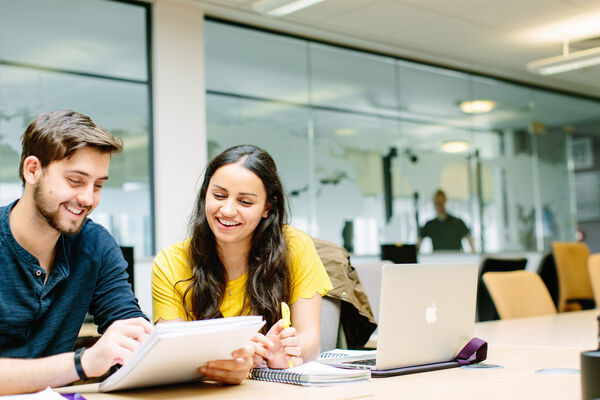
Research degrees
Join our postgraduate research community and pursue your passion with the support of our expert academics.
MoreNews and events
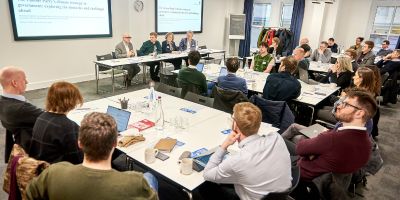
Leeds academics tackle challenges facing Labour’s climate plan
School of Politics and International Studies workshop ‘The Labour Party’s…
More
POLIS researchers call for petition platforms to reach 'beyond the usual suspects'
Researchers from the School of Politics and International Studies have…
More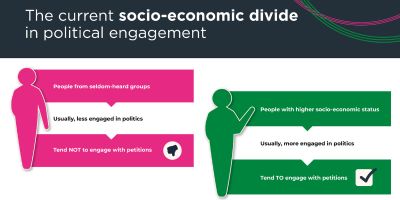
Petitions and parliament: breaking down barriers to political engagement
A leading academic from the School of Politics and International Studies is…
More
What can we expect at COP28? Professor Richard Beardsworth interview
On the eve of COP28, Professor Richard Beardsworth shares his expectations…
More
Global Political Economy Masterclass - Capitalism and Global Poverty
The Global Political Economy group in POLIS is delighted to be hosting an in-person masterclass with the global poverty researcher, Dylan Sullivan (Macquarie University, Sydney).
More
Centre for Democratic Politics: Book launch - Petra Alderman
The CDP is delighted to be hosting the launch of Dr Petra Alderman's new book, titled 'Branding Authoritarian Nations: Political Legitimation and Strategic National Myths in Military-Ruled Thailand.'
More